Archives
- 2026-08
- 2026-07
- 2026-06
- 2026-05
- 2026-04
- 2026-03
- 2026-02
- 2026-01
- 2025-12
- 2025-11
- 2025-10
- 2025-09
- 2025-03
- 2025-02
- 2025-01
- 2024-12
- 2024-11
- 2024-10
- 2024-09
- 2024-08
- 2024-07
- 2024-06
- 2024-05
- 2024-04
- 2024-03
- 2024-02
- 2024-01
- 2023-12
- 2023-11
- 2023-10
- 2023-09
- 2023-08
- 2023-07
- 2023-06
- 2023-05
- 2023-04
- 2023-03
- 2023-02
- 2023-01
- 2022-12
- 2022-11
- 2022-10
- 2022-09
- 2022-08
- 2022-07
- 2022-06
- 2022-05
- 2022-04
- 2022-03
- 2022-02
- 2022-01
-
br Conclusion In summary a series of novel GPR
2022-06-09
Conclusion In summary, a series of novel GPR40 agonists bearing phenylpropiolic IOX2 motif with favorable metabolic stability were prepared and evaluated for their activities as GPR40 agonists. Among them, compound 9 was identified as a structurally distinct GPR40 agonist possessing potent activ
-
Neither E nor Z FPP
2022-06-09
Neither E- nor Z-FPP synthase catalyzed the reaction between 8-THPOGPP and IPP. However, a mutant E-FPP synthase (Y81S) produced 12-THPOFPP from the substrates 8-THPOGPP and IPP, and wild-type E-FPP synthase catalyzed the reaction betweeen 8-AcOGPP and IPP producing 12-AcOFPP. Mutant E-FPP synthase
-
EG00229 Overall we partially confirmed our predictions
2022-06-09
Overall, we partially confirmed our predictions, and, when compared to the other existing dataset exploring the interaction among CRFR1, FAAH, and anxiety, our data are somewhat confirmatory. Demers and colleagues (Demers et al., 2016) found one (protective) CRFR1 minor allele (rs110402) and the (le
-
3mb Compound containing dimethylglutarimide P cap P propyl
2022-06-08
Compound containing, dimethylglutarimide P-cap, P propyl group, α-methylbenzyl urea resulted in inhibitor with much improved binding (=0.064μM) and EC=0.3μM. This was an aza-peptide analog with an EC comparable to our first generation clinical candidate . Analog was evaluated for its selectivity
-
These inhibitors possess a cap group build
2022-06-08
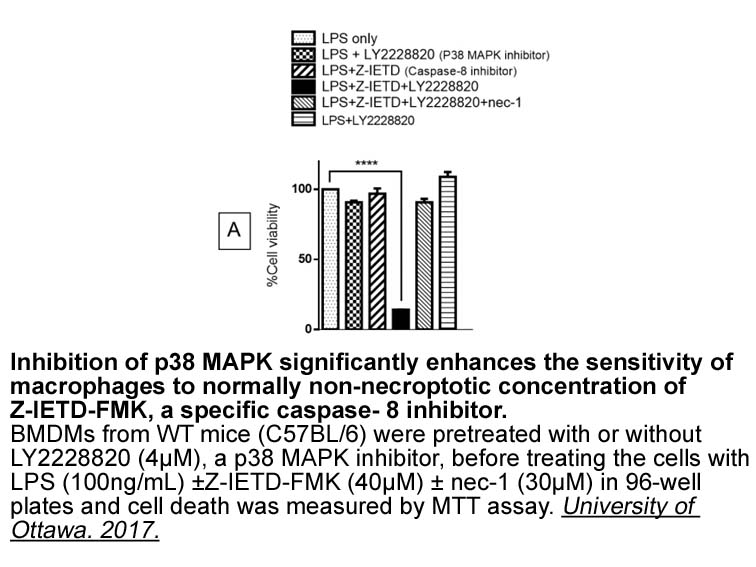
These inhibitors possess a cap group build from cyclization of several amino-acid or non-amino-acid residues, four or more, with one residue bearing an alkyl arm terminated by ZBGs of various types: thiols, ketones or epoxides. In the case of romidepsin 30 (Fig. 7), the thiol group is initially in a
-
When analyzing HIV AIDS patients
2022-06-08
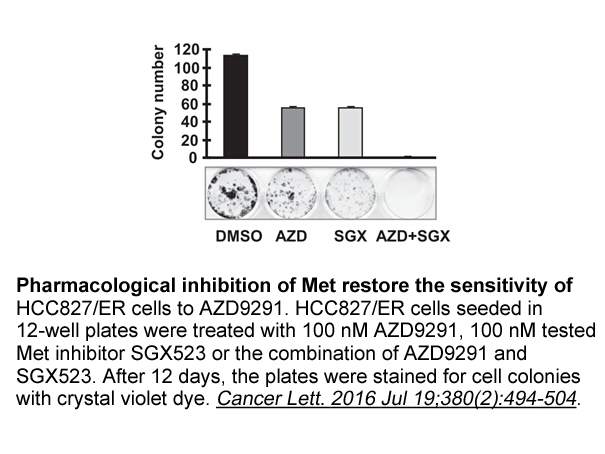
When analyzing HIV/AIDS patients in São Paulo, we detected an association between HIV/HTLV-1/2 infection in black/pardo-colored individuals (OR 2.21, 95% CI 1.21–4.03). However, the majority of serum samples were from patients attending specialized services for hepatitis, other than HIV/AIDS or HTL
-
Protein A/G receptor While phosphorylation site motifs are
2022-06-08
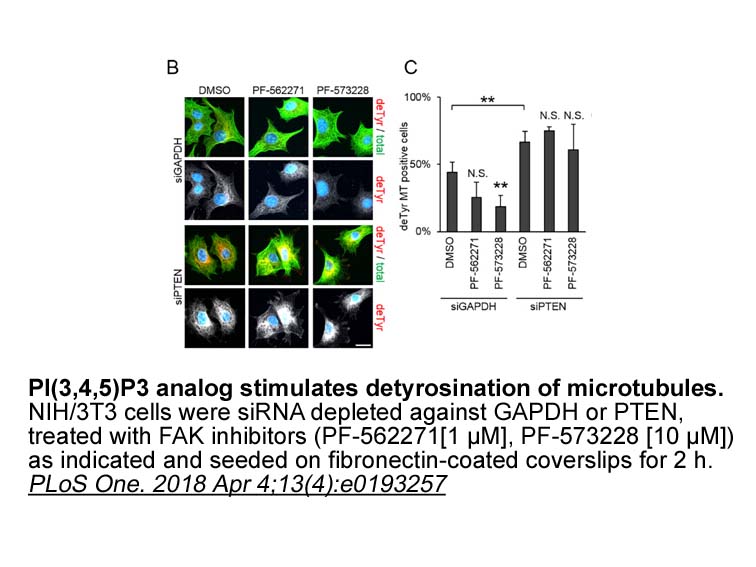
While Protein A/G receptor site motifs are typically described in terms of residues that promote phosphorylation, negatively selected residues can also be an important component of substrate recognition. Such ‘forbidden’ resides can act as a filter to prevent phosphorylation of a site by the ‘wrong
-
We also examined possible involvement of the NF B signaling
2022-06-08
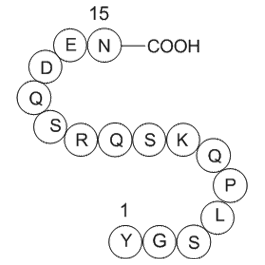
We also examined possible involvement of the NF-κB signaling pathway in GSK-3 inhibitor-induced suppression of PGE2 production, whereas GSK-3 inhibitors did not have a significant effect on IκB phosphorylation/degradation or NF-κB nuclear translocation. These results are consistent with a previous p
-
br Results and discussion br Conclusions br Introduction The
2022-06-08
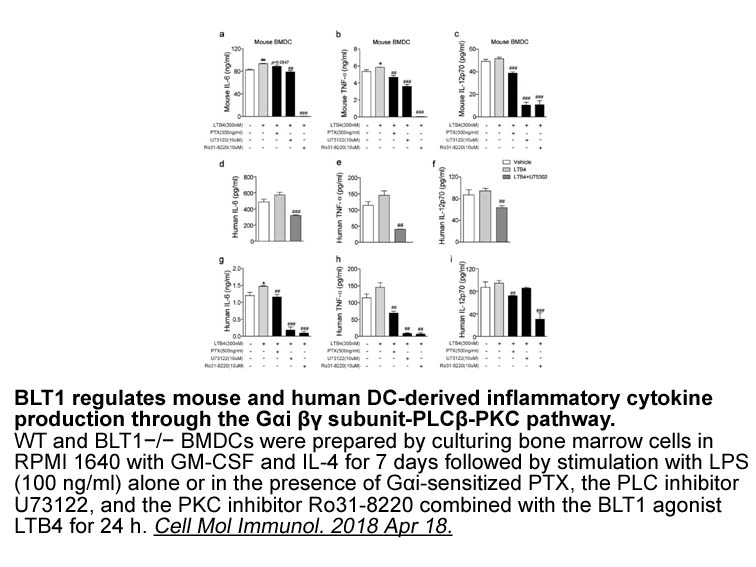
Results and discussion Conclusions Introduction There is no effective treatment for HIV-associated neurocognitive disorder (HAND) which affects about half of the over 36 million people infected (Saylor et al., 2016). HIV can remain in the Olanzapine during combination antiretroviral therap
-
Rapid action of E on GnRH
2022-06-08
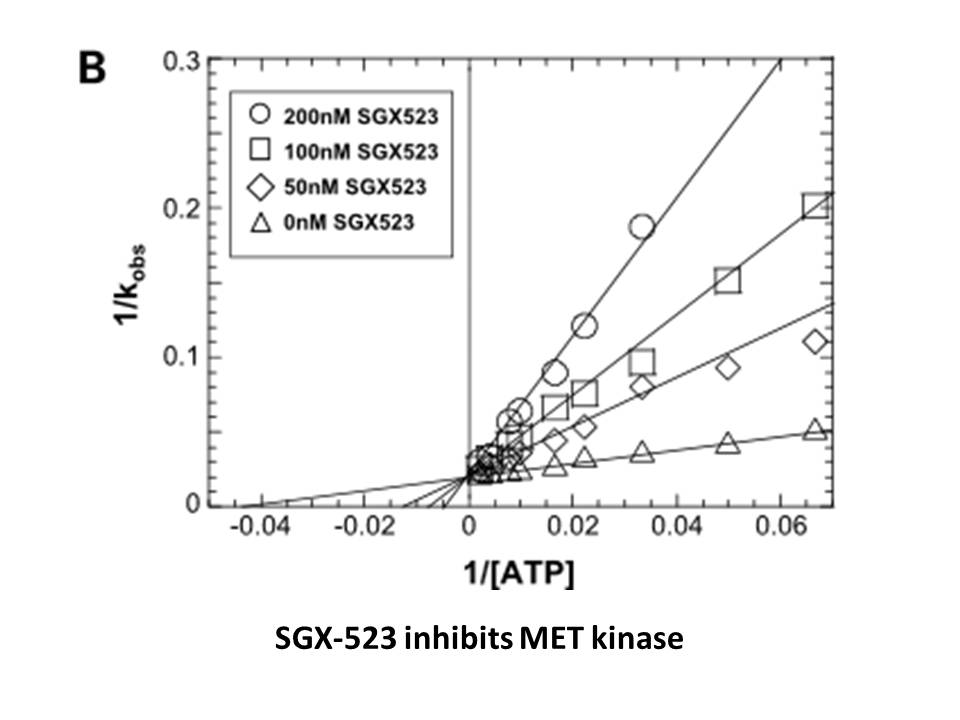
Rapid action of E2 on GnRH neurons has been known for some time. E2 hyperpolarizes guinea pig GnRH neurons, alters cAMP production in GT1-cells and stimulates or inhibits [Ca2+]i oscillations within 15 min (Lagrange et al., 1995; Navarro et al., 2003; Temple et al., 2004; Romanò et al., 2008). Impor
-
Restless running behavior was first
2022-06-08
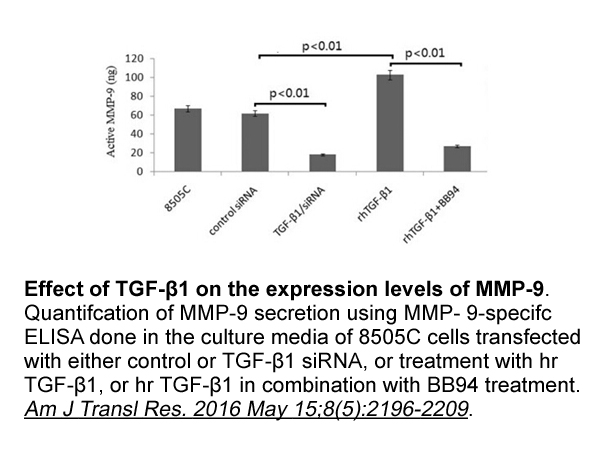
‘Restless running behavior’ was first described in mice after administration of 30mg/kg i.p. ALX-5407 and was thought to be due to an augmentation of NMDA-induced dopamine activity [27]. The motor impairments caused by ALX-5407 were confirmed by Perry et al. [10] and extended to another sarcosine-de
-
In the present study we tested
2022-06-08
In the present study, we tested α-glucosidase and tyrosinase inhibitory effects of the methanol extract from lower stems and H-Lys(Ac)-OH.HCl of Q. coccifera (1) as well as the isolated compounds [lyoniresinol-9-O-β-xylopyranoside (2) and lyoniresinol-9-O-β-glucopyranoside (3), cocciferoside (4), (
-
br Introduction Alzheimer s disease AD
2022-06-07
Introduction Alzheimer's disease (AD) affects ca. 46 million people worldwide [1] and it is expected that the number will double or triple by 2030 or 2050, respectively, while no significant progress has been made in research for early diagnosis and new efficient therapies. Currently available me
-
The PK profile and tissue distribution of which has biologic
2022-06-07
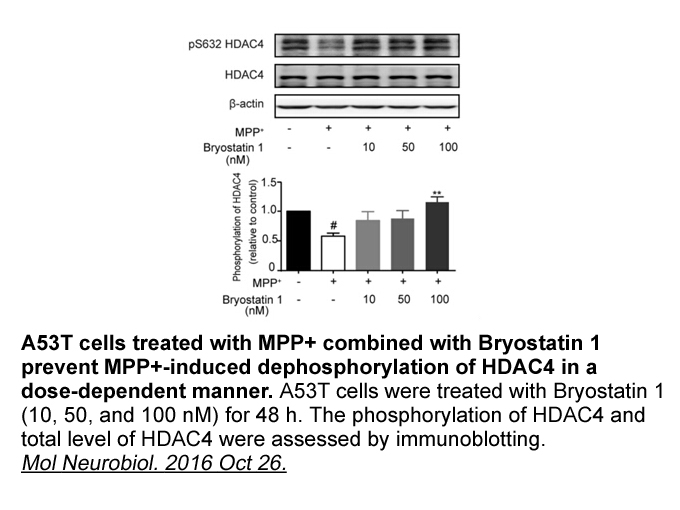
The PK profile and tissue distribution of 30, which has biological properties almost equivalent to those of 12, were examined in comparison with 12. Analog 30 was evaluated in a 6 h rat PK study at an intravenous (iv) dosing of 1 mg/kg in 10% 2-hydroxypropyl--cyclodextrin (HP-β-CD) (Table 2) and an
-
br Role of FPRs in
2022-06-07
Role of FPRs in regulating the inflammatory response Annexin I is a glucocorticoid-regulated protein possessing both pro- and anti-inflammatory activity that might be mediated, in part, by FPR activation [35]. Expressed in a variety of cell types, annexin I is particularly abundant in neutrophils
7969 records 441/532 page Previous Next First page 上5页 441442443444445 下5页 Last page